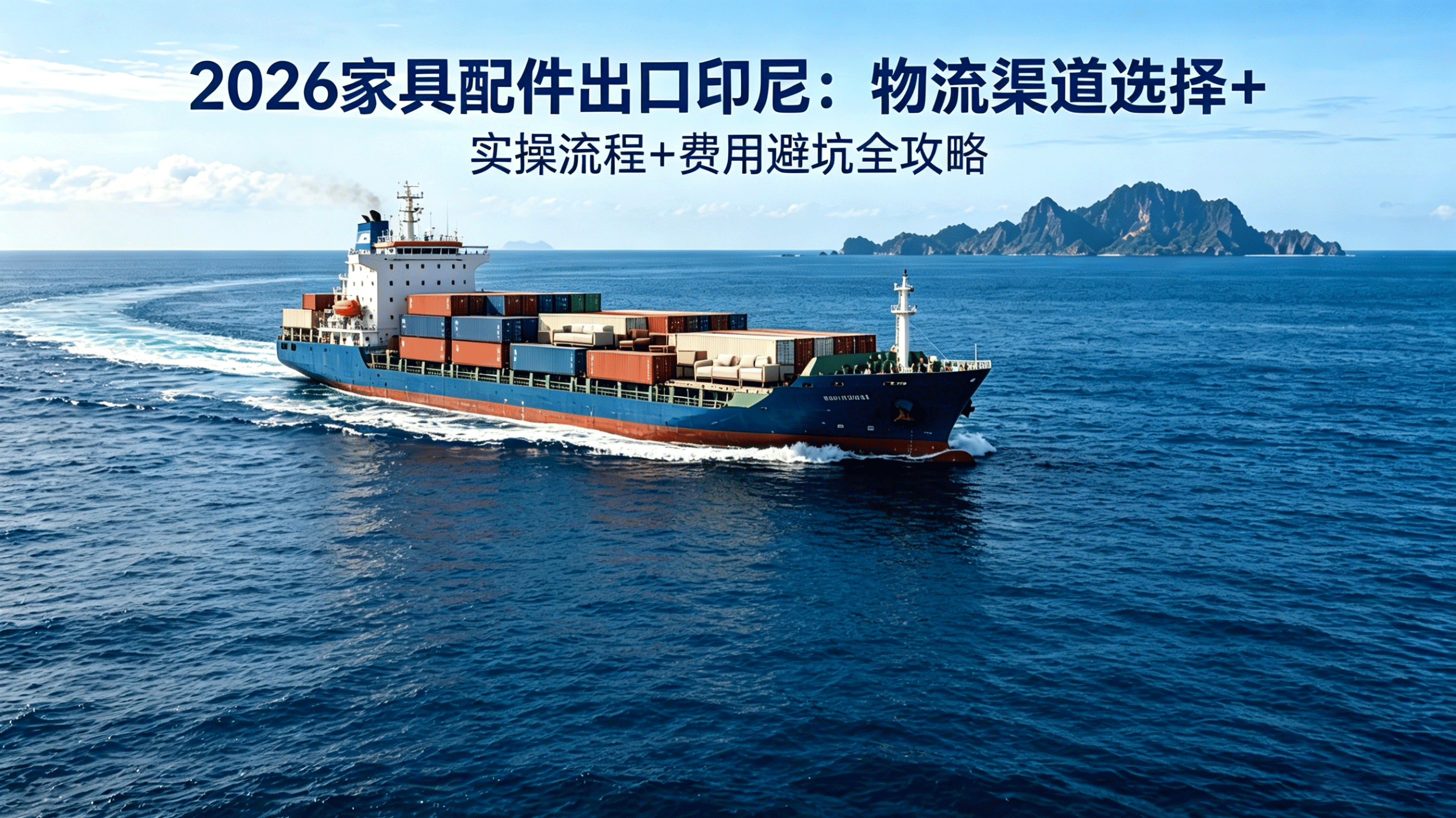
This article outlines the complete process for export customs clearance in Shenzhen and import customs clearance in Malaysia. It serves as a reference for trading companies, freight forwarders, and shippers, providing a clear overview of customs clearance procedures, required documentation, tax and fee regulations, and compliance guidelines to facilitate the smooth clearance of goods.
I. Domestic Export Customs Clearance (Shenzhen)
Before shipment, all basic customs clearance documents must be prepared, including the commercial invoice, packing list, trade contract, customs declaration authorization letter, and customs declaration form. If duty exemptions are required, it is recommended to obtain an ASEAN Certificate of Origin (Form E). Goods with wooden packaging must bear the IPPC fumigation mark. For special goods such as machinery, electrical equipment, and chemicals, SIRIM documentation and MSDS test reports must also be prepared in advance.
The customs clearance process is streamlined and standardized: After goods are prepared, book space and load the container; then, instruct the customs broker to submit the declaration via the China International Trade Single Window. Customs conducts automatic document review; low-risk goods are released directly, while a small number of shipments undergo random inspection. Following release, complete loading onto the vessel or aircraft; use the bill of lading as proof of shipment to finalize the domestic export process.
II. Malaysia Import Clearance (Malaysian Side)
Malaysia implements a mandatory pre-declaration system. For sea freight, manifests and clearance documents must be submitted via the official myCCIS 2.0 system 48 hours prior to arrival; for air freight, 2 hours prior to arrival. The standard import declaration form is the K1 declaration, which, together with the bill of lading, invoice, packing list, and certificate of origin, completes the clearance process.
After customs review, shipments are directed to one of three inspection channels: the Green Channel for direct release, the Yellow Channel for manual document review, and the Red Channel for on-site inspection. Once the shipment is cleared, the company pays the applicable duties and SST (Sales and Services Tax) to obtain release. Local delivery is then arranged; delivery times are fast in West Malaysia, while East Malaysia requires additional port clearance.
III. Tax Rates and Certification Requirements
Malaysia calculates taxes based on the CIF value. Tariffs for general goods range from 0% to 50%; goods accompanied by Form E qualify for preferential ASEAN tariffs ranging from 0% to 5%. The standard SST consumption tax rate is 10%. Regulated product categories require specific certifications: electronics must have SIRIM certification, food products require JAKIM halal certification, and cosmetics require NPRA health registration. Goods without the required certifications will be detained and returned.
IV. Compliance Considerations
First, the HS code must be accurate; incorrect classification may result in a fine of up to 35% of the goods’ value. Second, the declared value must be accurate; a discrepancy exceeding 15% is highly likely to trigger an inspection. Additionally, ensure that the descriptions, quantities, and weights on the bill of lading, invoice, and packing list are consistent to avoid container detention due to document discrepancies. It is strictly prohibited to ship counterfeit goods, obscene materials, controlled substances, and other prohibited items.
V. Typical Transit Times
Ocean freight (FCL/LCL): Shenzhen to Port Klang: 7–10 days; Air freight to Kuala Lumpur: 3–5 days; International express small parcels: 2–4 days (simplified customs clearance available for shipments valued under 500 MYR). For businesses seeking a hassle-free experience, we recommend using a reputable freight forwarder’s DDP (Delivered Duty Paid) service, which handles customs clearance, tax payment, and delivery in both countries.